
RV Pad Contractors Near Me | Instant Pricing & RV Pad Size Guide
Kijanix is changing how RV pads are built in the DFW Metroplex. Get your RV Pad done right including permitting, excavation, utilities and hookups without the hassle. Skip the site visit just to get a number. Get free instant pricing online in minutes.
Choose Your RV Type
Pad Fit Preference
5-Minute Pricing
Generate an instant, free estimate prior to a site visit.
Pay Upon Completion
Final payment isn’t released until a third-party company confirms you’re satisfied.
Backed by Standards
Work is performed according to our 100-step checklist.
Common RV Pad Sizes for Different RV Types

A properly sized RV pad should fit both your vehicle and how you plan to use the space. Smaller travel trailers may need a more compact pad, while larger fifth wheels and Class A motorhomes often need longer and wider pads with added support. Many homeowners make the pad larger than the RV itself to allow room for:
- Slide-outs
- Entry steps
- Utility hookups
- Walking space
Our size guide and instant pricing tool help you compare common RV pad sizes and estimate costs based on your setup.
RV Pad Installation in DFW Built for North Texas Soils
A properly designed RV pad is more than concrete alone. Base preparation, reinforcement, drainage, and pad thickness all help support the weight of your RV and protect against movement over time and should be based on your RV’s length, width, and load requirements.
Use our pricing and size guide to compare options and understand what goes into an RV pad built right for North Texas conditions according to your RV Pad’s size and your property’s layout.
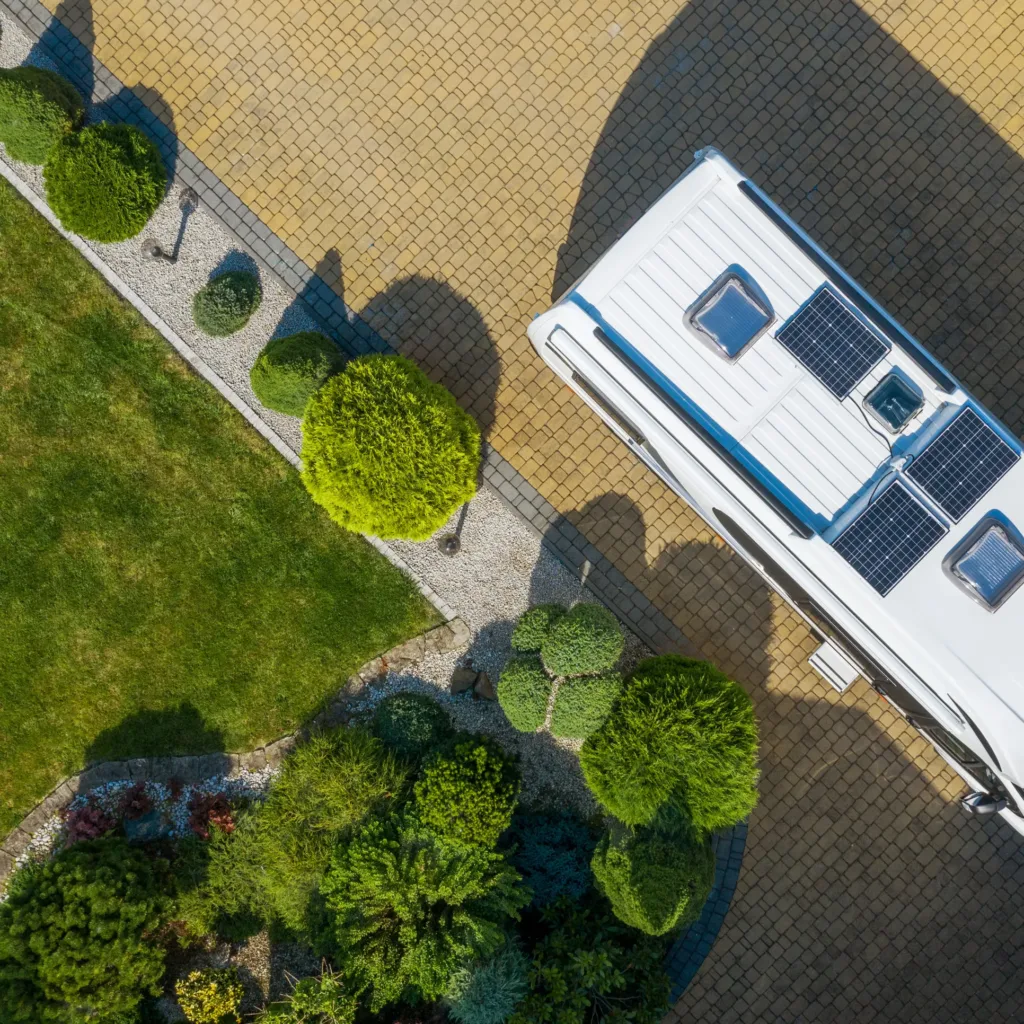
RV Pads With Water, Sewer and Electric Hookups
Many homeowners add water, sewer, and electric connections when building an RV pad so the space is ready for longer stays, guests, or future use.
Hookups often require more than just digging. Your project may include excavation, drainage planning, coordination with utility companies, sprinkler removal, cleanout access, and more depending on your property.

Instant RV Pad Pricing and Smart Sizing Guide
Our pricing tool helps you explore common RV pad sizes, compare options, and better understand what may affect cost, from concrete thickness to utility hookups and site access from your phone or laptop.
Smart specs matter just as much as price. The right RV pad should be sized for your vehicle, designed for heavy loads, and built with the right base and reinforcement for long-term performance.
RV Pad Cost Calculator - What's the Cost of an RV Pad in DFW?
Are you wondering: What is the cost of a RV pad in DFW? Use the sliders to generate a quick estimate for your RV pad. This price includes material, equipment, and labor. It does not include the cost of extending utility lines.
For detailed, accurate pricing, tap the button below to enter our full pricing tool, which will ask project-specific questions and add applicable labor rates.
RV Pad Calculator - What's the Cost of an RV Pad in DFW?
After dragging the sliders, tap “Update” below to get a high-level range. To get firmer pricing, tap “Start Estimate.”
FAQs about RV Pad Installations
Installing a concrete RV pad is a long-term investment in your property. Homeowners often have questions about costs, size, thickness, installation time, and maintenance. Below, we answer the most frequently asked questions by our DFW clients to help you make informed decisions for your RV pad project.
How do I get an accurate quote for a concrete RV pad?
To get an accurate quote, contractors typically need the dimensions of the pad, desired thickness, reinforcement type, access conditions, and soil information. Providing a site layout or aerial measurement of the area helps improve pricing accuracy.
What factors affect the cost of installing a concrete RV pad?
Key cost factors include square footage, slab thickness, reinforcement, site access, soil conditions, grading requirements, distance for material delivery, and whether utilities or excavation work is required.
Why do RV pad estimates vary between contractors?
Estimates vary because contractors may price labor, materials, equipment, and overhead differently. Site-specific conditions such as soil type, slope, and access constraints can also significantly change the final cost.
Do I need site preparation before installing a concrete RV pad?
Most projects require some level of site preparation, such as clearing vegetation, grading, and compacting soil. In some cases, additional base material or excavation is needed depending on soil stability and slope.
How much does labor contribute to the cost of an RV pad?
Labor typically makes up a large portion of the total cost, often around 45–60%, depending on complexity. More complex layouts, finishes, or difficult access can increase labor requirements.
Should I get multiple quotes for a concrete RV pad?
Yes, getting multiple quotes is recommended because pricing can vary significantly based on contractor methodology, equipment, and assumptions about site conditions. Comparing detailed breakdowns helps ensure a fair price.
What should be included in a concrete RV pad estimate?
A detailed estimate should include excavation, base preparation, concrete thickness and PSI, reinforcement type, labor, equipment, site access considerations, and any additional work such as drainage or utility adjustments.
How can I reduce the cost of a concrete RV pad?
Costs can often be reduced by simplifying the shape, improving site access, minimizing excavation needs, and choosing standard finishes and reinforcement options where appropriate.
How do I find a contractor for a concrete RV pad?
Concrete RV pad contractors can typically be found through local construction directories, referrals, and online search. Look for contractors with experience in flatwork and site preparation, and review past project examples before requesting a quote.
Can RV pad contractors handle excavation and utility work?
Many concrete contractors can handle basic excavation and site preparation, but utility work such as electrical or plumbing may require licensed electrical and plumbing subcontractors. If you don’t want to manage individual contractors, it may be best to find a general contractor who has completed RV Pad, new construction, or complex concrete projects and allow them to manage all trades on your behalf.