

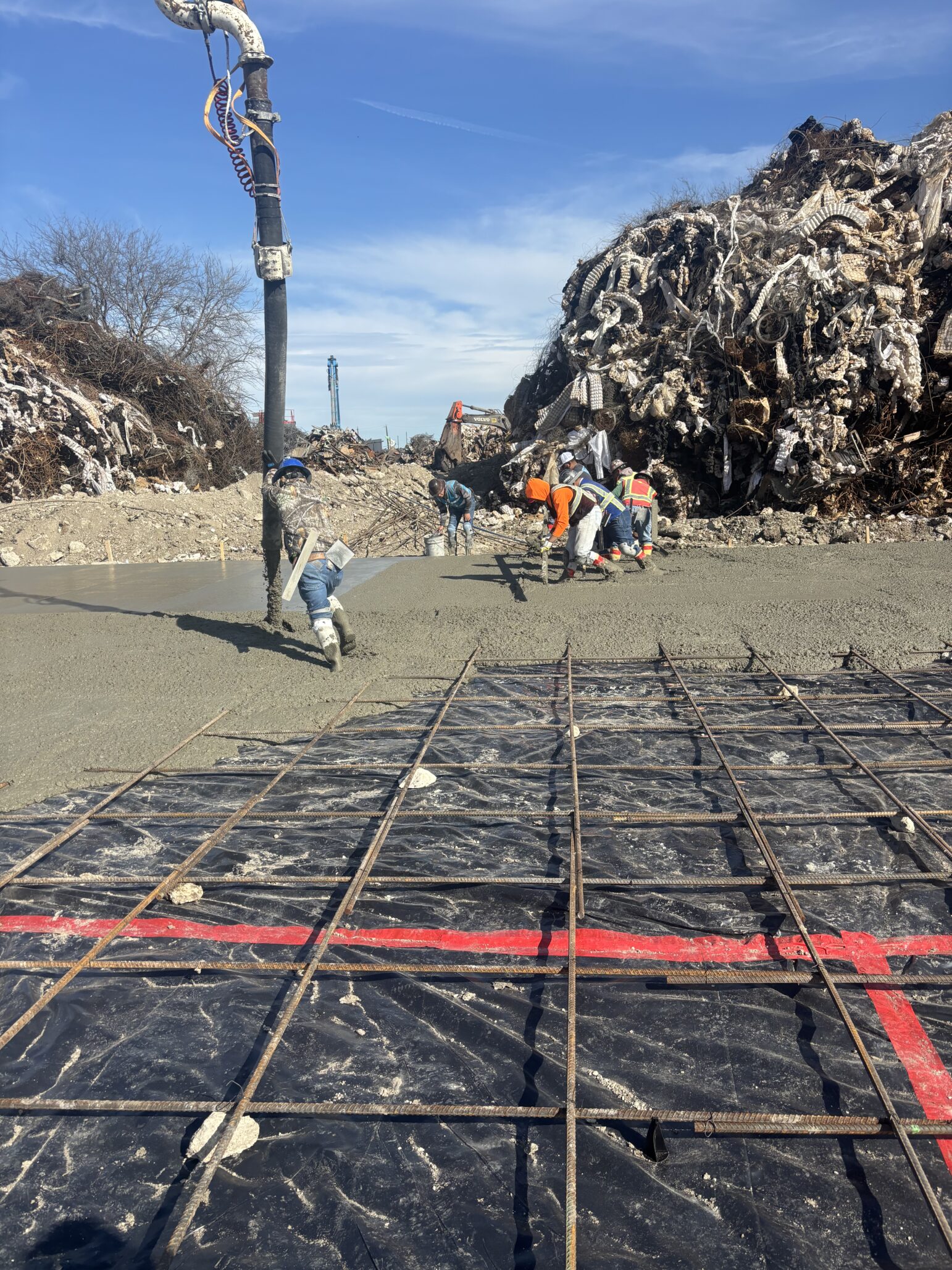
If you need to onboard a new subcontractor crew fast, the real problem is not paperwork. It is what happens after the crew shows up. A fast start can turn into rework, missed details, safety issues, and constant calls if the crew does not know your site, your standards, or your chain of command.
In DFW, jobs move fast. Schedules shift, manpower gets tight, and sometimes you need a new crew with very little notice. That does not mean you have to accept confusion on day one. A simple onboarding process can help you get people moving quickly without opening the door to safety, quality, and communication problems.
This guide breaks the process into seven practical steps. You can use it for a single subcontractor, a temp labor team, or a full replacement crew brought in to keep a project on track.
1. Prequalify the subcontractor crew before they ever reach the gate
If you are in a rush, this is the step most likely to get skipped. It is also the one that can save you the most trouble. Before a new subcontractor crew sets foot on site, make sure you know exactly who they are, what they do, and whether they can work to your standard.
Start with the basics. Confirm scope, crew size, foreman name, trade experience, insurance, and timeline. If they are coming in to help on framing, drywall, concrete, cleanup, roofing, or punch work, be clear about what they will and will not handle.
Ask for a current certificate of insurance and verify it. Check that the company name matches the paperwork. Make sure coverage is active for the dates they will be on your project. In a rush, it is easy for someone to send an old certificate and promise to fix it later. That can create a problem if there is an incident on day one.
You also need one point person. If you cannot identify who is leading the crew, do not assume the workers will sort it out once they arrive. A crew without a clear lead usually means repeated questions, delays, and inconsistent work.
One common DFW example is a GC bringing in a backup labor crew after another trade falls behind on a multifamily job. The replacement crew may say they can start the next morning, but if nobody confirms who the field lead is, the superintendent often ends up giving instructions to five different people all day long. That slows the work and raises the chance that key details get missed.
Fast onboarding starts with simple screening. You do not need a long process. You need a clean process.
2. Send a one-page onboarding packet before the first day
The fastest way to avoid communication problems is to answer common questions before the truck leaves the yard. A short onboarding sheet can do more than a long meeting if it is clear and easy to use.
Your one-page packet should include the project address, gate entry instructions, parking rules, start time, superintendent name, foreman contact, site map if needed, PPE requirements, break area rules, delivery rules, and what trade they will report to when they arrive.
Keep the language simple. If part of the crew speaks Spanish, send it in both English and Spanish. If workers show up not knowing where to park, where to unload, or who to check in with, the day begins with wasted time and frustration.
This packet should also include the exact work area and the first task planned for the crew. That matters. Workers who arrive with no idea where they are going tend to stand around waiting for direction, and your field team loses time trying to get them moving.
For example, on a commercial interior finish-out in Dallas, a flooring crew may need to use a rear entrance because the front lobby is active with the owner team. If that is not stated before arrival, the crew may unload in the wrong place, block traffic, and force your team to move materials twice.
You are not trying to impress anyone with a polished packet. You are trying to cut down avoidable day-one questions. A simple texted PDF is enough if it gives the crew what they need.
3. Run a short first-day safety onboarding before work starts
If you need to onboard a new subcontractor crew fast, safety still has to come first. A quick start is not worth an incident. The good news is that a strong safety onboarding does not have to take an hour. It just has to be focused.
Cover the site-specific risks first. Do not give a generic speech that could apply to any project in Texas. Talk about the real conditions on this job. That may include open edges, live electrical areas, lift zones, overhead work, hot work controls, trench areas, active vehicle paths, or occupied spaces.
Make sure everyone knows emergency procedures. Point out exits, muster areas, first-aid access, and who to contact if there is an injury or near miss. Confirm PPE requirements and ask the foreman to repeat back any special rules that matter most.
This is also the time to address permit-related work. If the crew will do hot work, confined space work, lockout-tagout, or any other higher-risk task, do not wait until later in the day to sort that out. Handle it before tools come off the truck.
A real-world example is a crew brought onto a hospital renovation in Fort Worth for after-hours demolition support. They may be experienced, but if they are not told about active patient areas, noise limits, dust control, and infection control barriers before starting, they can create serious problems within minutes.
Keep a sign-in sheet. Document who attended and who led the briefing. That record matters if questions come up later. More important, it helps show the crew that your site has structure and expectations.
4. Set quality rules early so the subcontractor crew does not guess
Many quality problems do not happen because workers are careless. They happen because the crew starts fast without a clear picture of the finish standard, the sequence, or the inspection points.
If you want to avoid rework, show the crew what good looks like before they begin. That means more than telling them to do quality work. Walk them through the standard for this specific project.
Use a small set of examples. Show approved mockups, finish details, layout points, tolerances, material handling rules, and any owner-sensitive areas. If there are common mistakes you have seen before, say so directly. A five-minute conversation now can save two days of cleanup later.
For instance, if you bring in a drywall crew to help recover a behind-schedule office project in Plano, do not assume they know the level of finish expected in high-visibility areas. A crew used to rough back-of-house spaces may move fast but leave joints and corners that will not pass in executive offices or lobby areas.
Quality onboarding should also cover hold points. Explain when they must stop and call for review. That may be before covering rough-in, before pouring, before sealing penetrations, or before moving to the next unit or floor.
When a new crew knows the quality standard up front, they make fewer assumptions. That is what cuts rework.
5. Give the new subcontractor crew one chain of command
Communication problems usually start when too many people direct the same crew. One assistant superintendent says one thing. Another says something else. The PM texts a different priority. The trade foreman hears a fourth version. By lunch, nobody is aligned.
A new subcontractor crew needs one clear line of communication. Name the person who gives day-to-day field direction. Name the person who approves extra work. Name the person who handles schedule changes. If those are different people, spell that out.
This matters even more when you are using a support crew to help another subcontractor already on site. In that setup, the new crew can get caught between your field team and the original trade partner. If the chain of command is not clear, blame starts fast when something goes wrong.
A practical fix is to start every new crew with a short communication plan. It should answer four questions: Who do you report to? Who do you call when blocked? Who approves changes? Who signs off at the end of the day?
On a large warehouse project in DFW, a supplemental framing crew may be sent to one area while the main framing contractor remains in another. If both groups receive direction from different people and nobody controls layout changes, wall placement errors can spread across several bays before anyone catches them.
Good communication is not complicated. It is clear, repeatable, and consistent. New crews work better when they know exactly who to listen to.
6. Start with a small test area before full production
If time is tight, it may feel faster to turn a new subcontractor crew loose across the whole site. In most cases, that creates more risk, not less. A better move is to give them a test area first.
The test area should be real work, not busywork. It just needs to be limited enough that your field team can inspect it quickly. This lets you confirm pace, workmanship, cleanup habits, supervision, and how well the crew follows direction.
If the crew performs well, you can expand the area the same day or the next morning. If there are issues, you catch them early while the fix is still manageable.
This is especially helpful when onboarding a new subcontractor crew for finish work, patching, punch corrections, or any task where small misses can multiply. It is much easier to correct one apartment unit, one corridor, or one slab section than an entire building wing.
For example, if you bring in a paint crew to help finish a hotel project in Arlington, give them a few rooms and one corridor first. Check cut lines, coverage, prep, protection, and cleanup before assigning more floors. That quick checkpoint can reveal whether the crew is truly ready or just saying they are.
The test area also helps with safety and communication. You can see how the foreman handles questions, whether workers wear required PPE, and whether the crew respects access rules and other trades.
Speed matters. But controlled speed is what keeps the project moving.
7. Close out day one with a 10-minute review and next-day plan
Day one tells you almost everything you need to know about a new crew. That is why the end-of-day review matters. It gives you a chance to fix problems before they become patterns.
Keep this review short. Meet with the foreman and cover what was completed, what got blocked, any safety concerns, quality issues, manpower for tomorrow, material needs, and start location for the next shift.
Be direct. If something was off, say it plainly. If the crew did well, confirm that too. Mixed signals create confusion. A clear end-of-day reset helps everyone start stronger the next morning.
This is also the right time to confirm headcount. The crew that shows up on day one is not always the same crew promised for day two. If manpower is changing, you need to know before the schedule gets built around the wrong number.
A good real-world example is a masonry support crew added to a school project in Denton. They may finish strong on day one, but if key workers are pulled to another job overnight and nobody mentions it, your sequencing for scaffolding, deliveries, and follow-on trades can break down fast. A 10-minute closeout helps prevent that kind of surprise.
Document the basics in a simple daily log. You do not need a long report. Just capture attendance, work areas, issues, and next steps. That small habit improves accountability and makes future onboarding easier.
Final thoughts
If you need to onboard a new subcontractor crew fast, do not confuse fast with loose. The right process is short, clear, and practical. It gives the crew just enough structure to work safely, hit the right quality level, and communicate the right way from the start.
The best jobs are not always the ones with the biggest crews. They are the ones where every new crew gets aligned quickly. When that happens, you spend less time putting out fires and more time pushing the project forward.
Use these seven steps on your next DFW project. They will help you move fast without paying for it later in safety issues, rework, or confusion on site.