

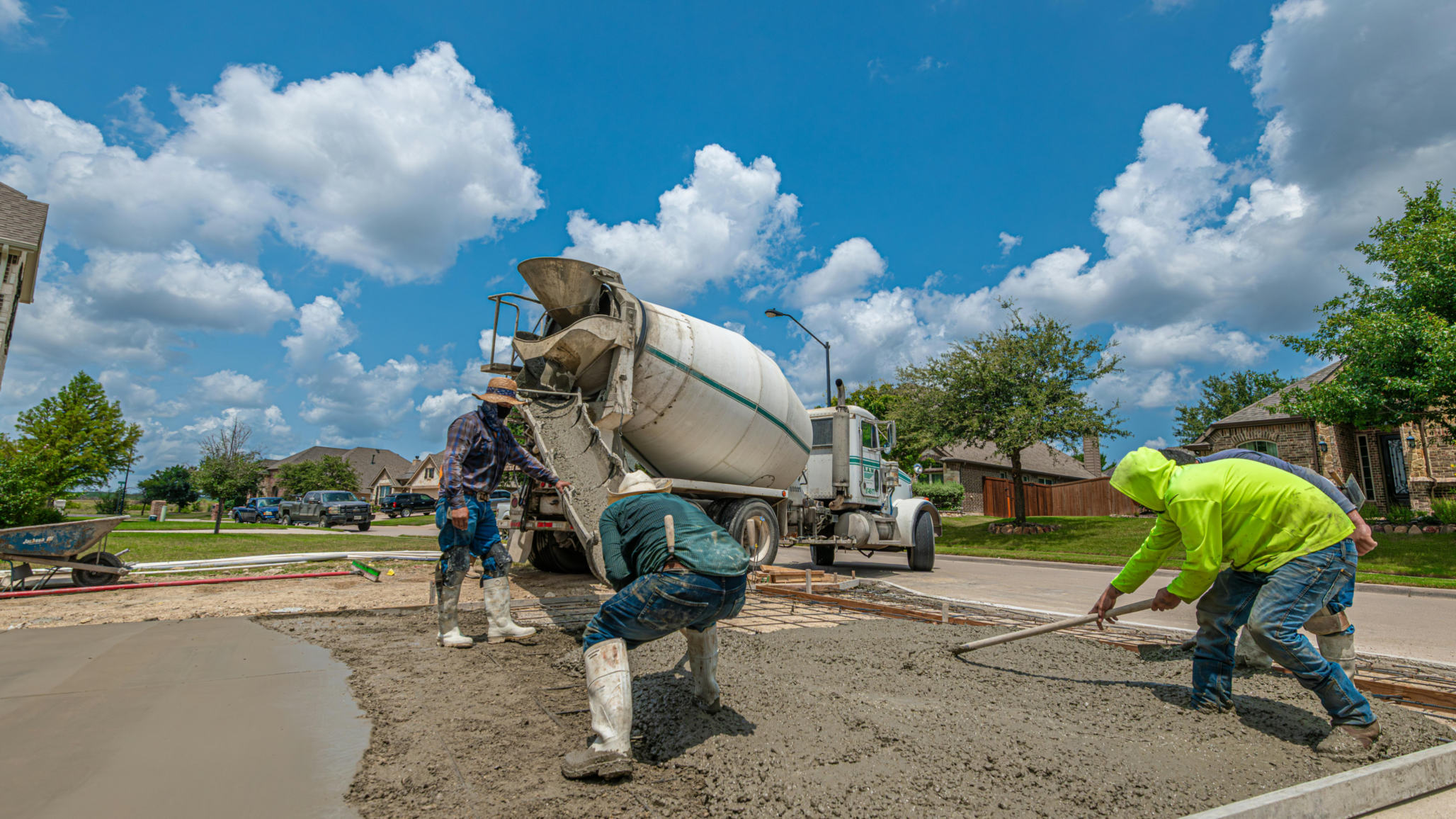
If you need to prequalify a construction crew in DFW, you need more than a quick phone call and a price. A crew can sound solid, then show up late, miss safety rules, or slow down your job. A simple prequal process helps you catch problems before day one.
This guide is built for general contractors in Dallas-Fort Worth who need dependable labor. You will learn what to check, what to ask, and how to spot risk early. If you are still looking for help, you can also find available construction crews in DFW.
1. Start with the scope before you prequalify a construction crew
Do not vet a crew until you are clear on the work. A great drywall crew may still be a bad fit for a hospital finish-out, school job, or fast-track shell build.
Write down the basics first. Keep it short and clear so you can compare crews the same way.
- Trade needed
- Job type
- Project size
- Start date
- Schedule needs
- Safety rules
- Tools or lifts required
- Area of DFW
This makes your reliable construction crews search much easier. It also helps when you need subcontractors in DFW as a general contractor for more than one job.
Why scope matters
Some crews are strong on labor but weak on layout, finish detail, or paperwork. Others do well on big open sites but struggle in occupied spaces.
If you define the work first, you can ask better questions and avoid apples-to-oranges comparisons.
2. Check basic business info and job history in DFW
The next step to prequalify a construction crew is simple: make sure the crew is real, active, and used to jobs like yours. You want proof they work in your market and understand local jobsite needs.
- Legal business name
- Main contact and field contact
- Phone and email
- City they work from
- Years in business
- Trade focus
- Typical crew size
- Current DFW workload
Ask what kinds of jobs they do most. New construction, TI work, retail, schools, warehouses, and healthcare jobs all run differently.
Ask for recent local examples
Ask for three recent jobs in Dallas, Fort Worth, Arlington, Plano, Frisco, Irving, or nearby cities. Local work matters because it shows they know DFW schedules, travel time, and site rules.
Good long-tail search terms fit here too, like commercial construction crew in DFW, subcontractor crew for Texas jobsite, and prequalify subcontractor crew before job starts. These terms should read naturally in your page copy, not forced.
3. Review safety records before the crew gets on site
A low bid will not help if the crew creates risk on day one. Safety should be part of how you prequalify a construction crew, not something you check later.
Ask for simple, current safety information. If they cannot send it fast, that is a sign.
- EMR, if they have it
- OSHA training status
- Site-specific safety process
- Incident history
- Who runs safety in the field
- Drug testing policy, if required
- PPE standards
- Daily huddle or toolbox talk process
If you need a quick benchmark, review these signs a commercial construction crew is jobsite ready in DFW. It gives you a simple way to see if a crew is truly ready to work.
Simple safety questions to ask
- Who leads safety on site each day?
- How do you handle near misses?
- What happens if a worker shows up without PPE?
- Can you follow a GC-led orientation on day one?
You are not looking for perfect words. You are looking for clear habits.
4. Verify labor quality, supervision, and crew fit
Many crews fail because the lead is strong but the rest of the team is not. When you prequalify a construction crew, ask who will actually be on your project.
You need to know if the crew can self-manage, follow plans, and keep pace without heavy babysitting.
- Who is the foreman?
- How many workers will be on site?
- How many are helpers vs skilled workers?
- Can they read plans?
- Can they do layout?
- Do they bring tools?
- Do they have lift or equipment experience?
- Can they work nights or weekends if needed?
Look at crew mix, not just headcount
A 10-person crew is not always better than a 6-person crew. If only two workers know the trade well, production may fall fast.
This is where keywords like construction labor in DFW, jobsite ready crew, and crew prequalification checklist make sense in context. You can also point readers to 5 Steps to Scale a Construction Crew to understand how crew structure affects output.
Real-world example
Say you need metal framing in Fort Worth on a tight school schedule. Crew A says they can bring 12 workers. Crew B says they can bring 8, with one foreman, two layout leads, and a clean handoff plan. Crew B may be the safer pick.
Headcount is easy to sell. Supervision and trade depth are what keep work moving.
5. Check insurance, paperwork, and compliance early
This step is not exciting, but it saves time. If the crew cannot clear paperwork fast, they can delay mobilization even if they are skilled.
Before you move forward, ask for the key documents you need for your job.
- Certificate of insurance
- Workers’ comp coverage
- General liability coverage
- W-9
- Business registration info
- Safety forms
- Any trade licenses, if required
- Signed subcontractor packet, if needed
Do this before award, not after
Many GCs wait too long. Then the crew is chosen, but the back office is still chasing forms while the start date gets closer.
If you want to speed up the next step, read 7 Fast Steps to Onboard a New Subcontractor Crew in DFW. It helps once your crew passes prequal and is ready to move.
6. Ask about schedule, manpower, and backup plans
A crew may be qualified and still not be available. To prequalify a construction crew the right way, you need to know if they can really staff your job when you need them.
Ask direct questions about manpower, timing, and overlap with other projects.
- How soon can you start?
- How many workers can you commit on day one?
- Can you hold that manpower for the full job?
- What other jobs are active now?
- What happens if two workers quit?
- Do you have backup labor?
- Can you add workers if the schedule slips?
Watch for vague answers
If the answer is, “We will make it work,” keep digging. You need numbers, names, and a real plan.
This is also where calculating a fully burdened labor rate in construction can help. It gives you a better way to compare price, output, and risk across crews.
DFW example
Let’s say you have a TI project in Dallas that starts in 10 days. A crew says they can start right away, but they are also staffing a warehouse project in Plano and a school job in Arlington. That overlap may affect your manpower by week two.
Ask what your project ranks in their pipeline. If they cannot answer, note the risk.
7. Call references and test communication before award
The last step to prequalify a construction crew is to see how they perform in real life. Good references and clear communication can tell you a lot.
Do not just ask if the crew was “good.” Ask what happened when things got hard.
Reference questions that matter
- Did they start on time?
- Did manpower stay steady?
- Was the foreman easy to reach?
- Did they follow safety rules?
- How was punch work?
- Would you use them again?
- What was the biggest issue?
Test communication now
Pay attention to the pre-award process. If they miss calls, send half-complete files, or dodge simple questions now, that pattern may continue on your project.
This matters a lot for long-tail terms like how to prequalify a construction crew before they start, how to vet a construction crew in DFW, and best way to check a subcontractor crew for commercial jobs. These are real search intents from working GCs who need clear answers.
A simple construction crew prequalification checklist for GCs
If you want a fast process, use this short checklist before you award work. It can help you compare crews side by side.
- Scope fits their trade and job type
- They have recent DFW project history
- Safety info is current and clear
- Foreman and crew mix make sense
- Insurance and paperwork are ready
- Schedule and manpower are real
- References confirm performance
- Communication is fast and clear
If a crew misses two or three of these items, slow down. It is better to find a gap now than fix it after mobilization.
Red flags to watch when you prequalify a construction crew
Some warning signs show up early. If you catch them in prequal, you can avoid bigger jobsite issues later.
- No local references
- Unclear insurance status
- No named foreman
- Vague manpower promises
- Slow paperwork
- Safety answers that sound made up
- Price far below everyone else
- Late replies before the job even starts
One red flag may not kill the deal. A stack of them usually does.
Final thought: prequalify the crew, not just the company
A good logo, a clean bid, and a nice sales call do not build your job. The actual people on site do. That is why the best way to prequalify a construction crew is to look at the field team, safety habits, paperwork, and real DFW job history together.
When you slow down for a short prequal process, you save time later. You avoid weak starts, missed manpower, and day-one surprises. If you still need help finding labor, you can sign up to receive alerts on available crews in DFW.